
24/08/2026
Lab analyses: measuring is knowing… and above all, saving.
In times when the current geopolitical situation necessitates frugality with oil products more than ever, the focus is often initially on purchase prices and oil change intervals. Naturally, proper and timely maintenance remains the foundation of any reliable installation. However, between “timely replacement” and “unnecessary replacement” lies an important, often overlooked step: laboratory analysis.
Just as with fuel conservation, it is not just the engine oil that plays a role but the entire system must be examined; here too, a well-considered approach goes beyond standard intervals. After all, oil is not a consumable product with a fixed expiration date, but one whose condition is perfectly measurable.
From maintenance to proactive management
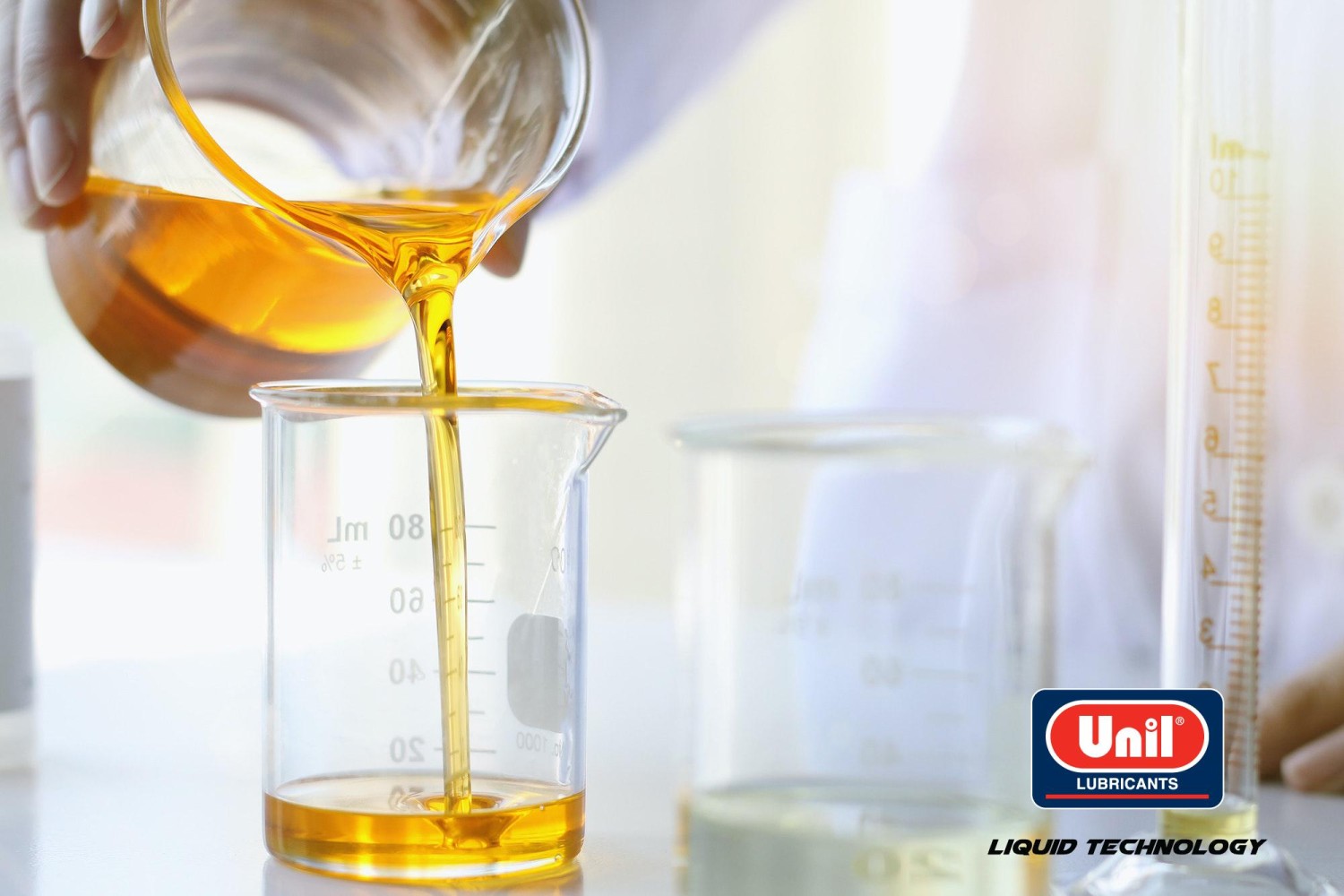
Maintenance in industrial applications essentially revolves around avoiding downtime and guaranteeing operational reliability. Laboratory analyses align seamlessly with this. By having a sample analyzed on a regular basis in an ISO 17025-accredited laboratory, one gains insight into:
- component wear
- contamination (water, dust, metal particles)
- degradation of additives
- oxidation and aging of the oil
This allows maintenance to be managed based on real data rather than assumptions. In other words: one evolves from preventive to predictive maintenance. At Unil Lubricants, we consider not only the oil important, but above all the right advice to avoid downtime in this way.
Extended service life without risk
While oil change intervals are traditionally set conservatively, analyses often show that oils are still perfectly usable. In many applications, service life can be safely extended without compromising protection or performance.
This is comparable to the evolution in other lubrication applications, where technology and product development are increasingly focused on efficiency, sustainability, and longer service life. The result is clear:
- lower oil consumption
- less downtime
- lower maintenance costs
- and a smaller ecological footprint
An investment that pays for itself
The cost of an analysis rarely outweighs the potential savings. On the contrary, timely detection of deviations prevents damage and unexpected downtime, which can often save thousands of euros.
Moreover, a correct interpretation of the results also offers strategic advantages: optimization of lubricants, better product selection, and targeted monitoring of critical installations.
Conclusion
Today, being economical with oil products means more than just consuming less. Above all, it means managing smarter. Even if lubricants represent only a small percentage of your operating costs, analyses can contribute to reducing costs and the ecological footprint of your company.
A good lubricant, applied correctly, combined with targeted laboratory analyses, is the key to the efficient and sustainable operation of machines and vehicles.
Do you have questions about monitoring your lubricants or interpreting analyses? Ask them, and we will provide you with a well-founded answer.


